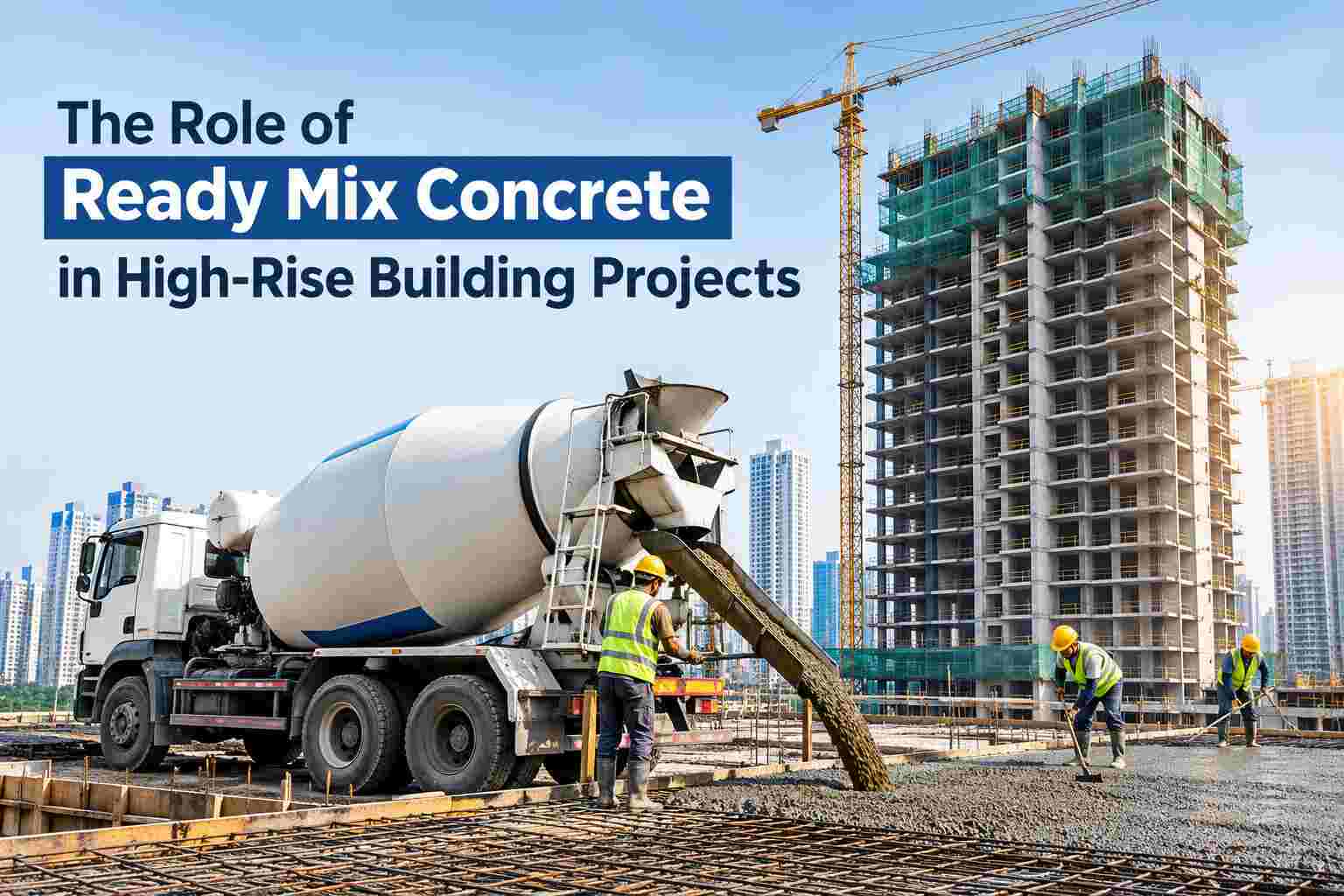
How can contractors ensure the quality of concrete in a project involving multiple floors, hectic schedules, and concrete needs both structural and strenuous? High-rise buildings demand a lot even before the construction process commences, especially when it comes to concrete. Ready mix concrete is a way forward when it comes to dealing with such projects since it comes in a mixture that has been adequately portioned and tested.
For contractors in search of the best Ready Mix Concrete Dealers in Delhi, considerations should include grade of concrete, scheduling, workability, and accessibility. Spectrum Concrete Pvt. Ltd. works in the ready mix concrete space, where the needs of any project are taken into consideration. This way, concrete is well planned for, thus enhancing structural integrity while also accelerating the whole process.
Why Is RMC for High Rise Construction Important?
As buildings grow higher, their construction becomes more complex. Concrete used for columns, beams, slabs, and core walls should be according to the construction engineers’ expectations. Otherwise, poor concrete quality or improper delivery methods can lead to severe difficulties during placement and construction in general.
RMC for high rise construction refers to ready mix concrete that is manufactured to a required mix design. Cement, aggregates, water and appropriate admixtures are used in the production process to produce concrete of the desired properties. Compared to manually prepared concrete at the site, it results in improved control of the batching process and therefore reduced risk of property variation due to measurement inaccuracies.
Ready mix concrete can also help to simplify the management of the site. Some high-rise building projects may have very limited space for storing raw materials and for making ready mix concrete. Delivering the concrete in transit mixers can help to minimize the use of large areas for concrete preparation and allow it to focus on reinforcement, forms, pumping and placing works.
However, the concrete grade and mix should always be related to project specifications. The tallest building does not require the same grade of concrete mix in its different parts.
How Does Ready Mix Concrete Support Structural Stability?
The concrete is a structural material that carries the load from the imposed elements by virtue of the strength it possesses. There are several factors that influence structural stability, such as design, reinforcement, workmanship, curing, and material.
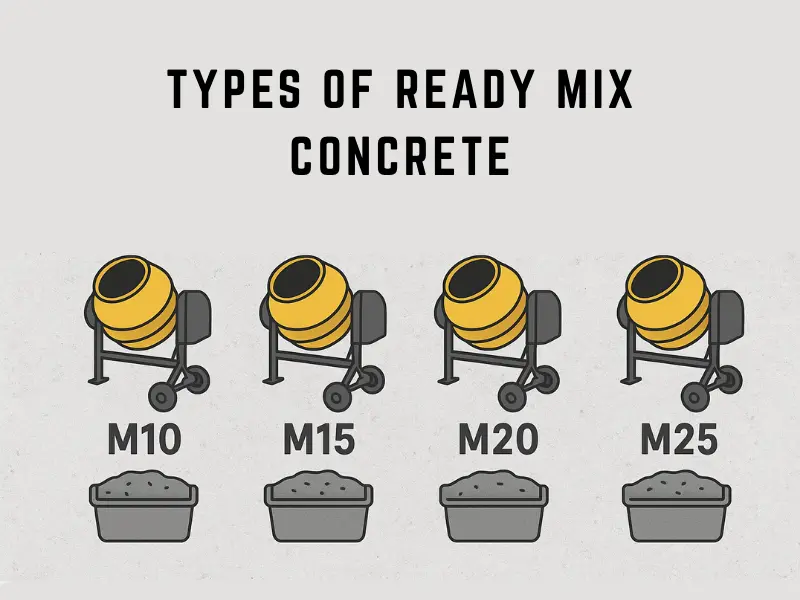
Design of a suitable concrete mixture leads to concrete having desirable characteristics such as compressive strength and workability. Workability is an important characteristic of concrete, particularly when dealing with tall buildings because of the need to pump concrete over long heights through congested reinforcement.
Inspections need to be done in all phases of production. Examples of inspections include the slump test for workability, compression testing samples, and delivery loggings. Tests and requirements for acceptance need to be well specified in the approved project specifications.
Furthermore, curing is also important. Even the best concrete mix will not gain its characteristic properties if it is not properly cured. The site workers should also take care of placement, finishing and curing of concrete, as well as testing.
What Should Builders Expect from Ready Mix Concrete Suppliers?
Selecting the appropriate Ready Mix Concrete Supplier, yes, may not simply depend on price. The Ready Mix Concrete Supplier must be aware of what type of concrete you require, the volume of your concrete requirement, delivery destination, and mode of delivery.
Before finalising a supply arrangement, construction teams should discuss the following points:
- Mixing specifications: Verify the appropriate concrete grade, workability, exposure situation, and mix design approval.
- Consistency of production: Know about the control of batching quantities, ingredients, and testing.
- Delivery arrangement: Schedule the arrival of transit mixers in relation to the pouring schedule and available manpower on site.
- Testing and documentation: Verify the method of obtaining delivery tickets, batch information, and test results.
- Supply capacity: Find out whether the supplier can fulfill the required quantity without interfering with other scheduled deliveries.
Spectrum Concrete Pvt. Ltd. can be viewed in the context of suppliers assessment by project requirements, confirmed availability and delivery arrangements as per supply schedule. The builders must be informed about these aspects before planning any major concrete work.
The reliable coordination is especially critical when a slab or a structural section has to be poured continuously. The long interruptions can cause construction-joint issues based on the location, concrete characteristics, and a particular method approved by the construction team.
How Does an RMC Plant for High Rise Projects Improve Planning?
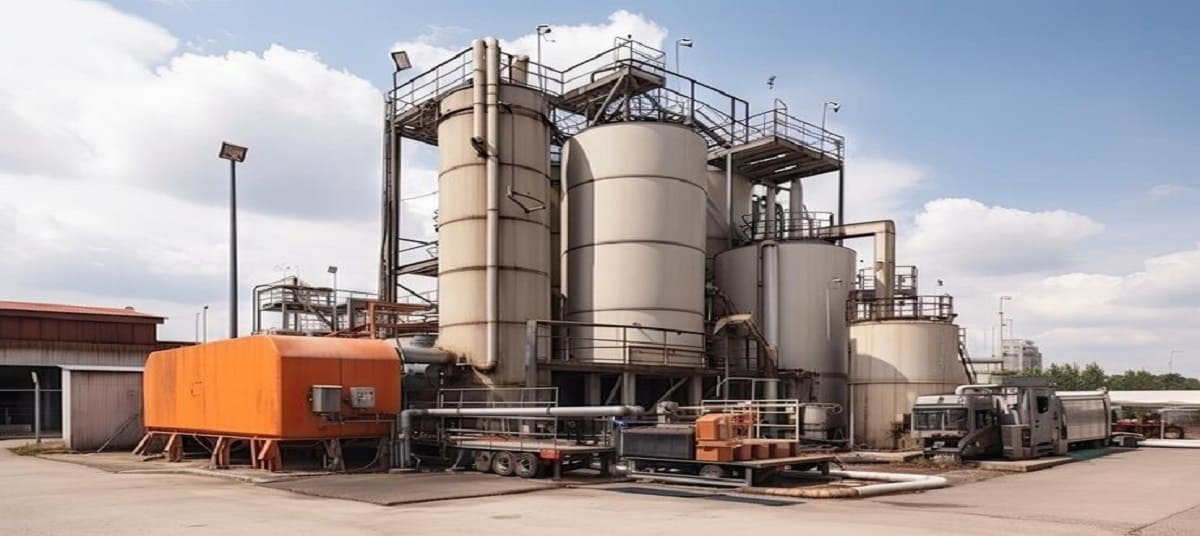
An RMC Plant for High Rise Projects ensures the production of concrete in controlled batches, which are suitable for the required construction needs. The batching plant helps in measuring and mixing the ingredients according to the approved mix design which aids in meeting the required specifications with every load.
Plant capacity, production scheduling, availability of raw materials, and equipment maintenance are some of the areas that affect the ability to supply concrete. At the same time, large-scale projects may require extreme amounts of concrete to be supplied within a relatively short time, which adds to the complexity of the task.
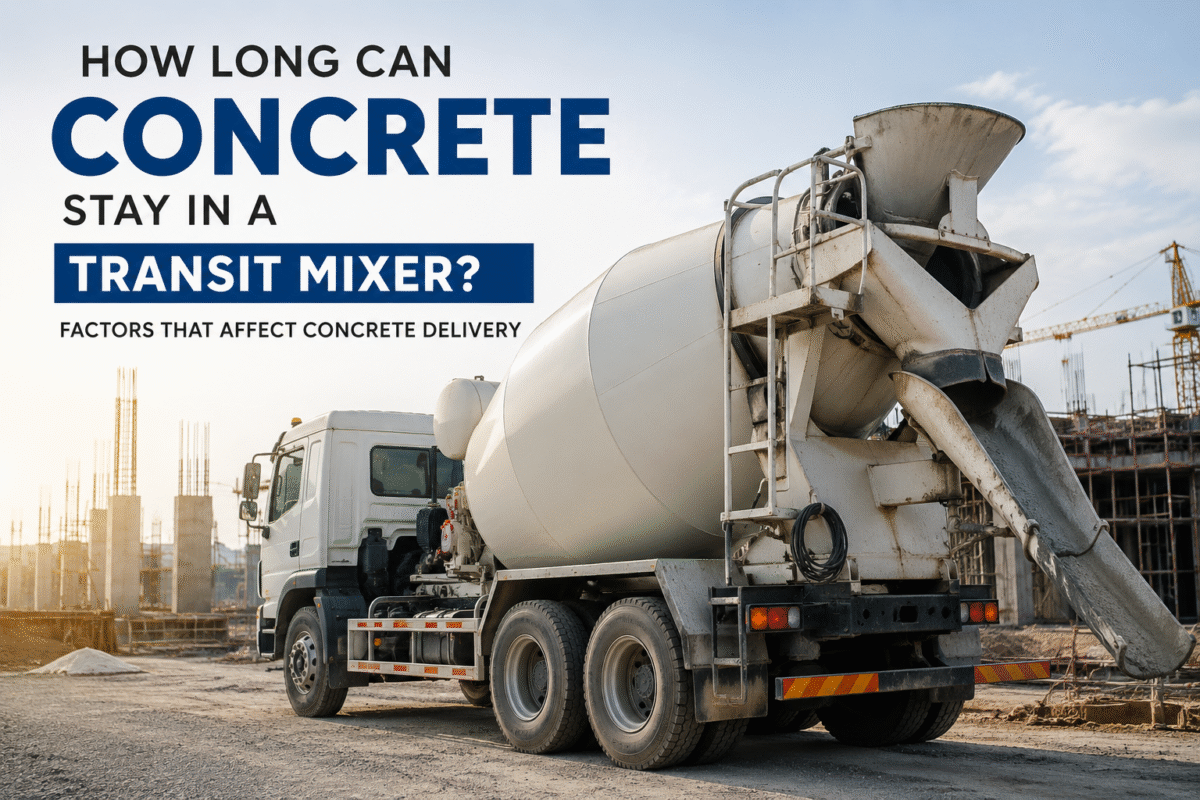
The location of the plant affects the delivery schedule; travel time to the site and road conditions must be taken into account, as they might influence the time concrete is due to arrive at the site. These delays need to be factored in with the setting time of the concrete as well as the job’s needs.
A batching plant does not replace the requirement for quality control. It is the responsibility of the supplier and the construction organization to ensure that materials have been supplied and processed properly and that the concrete has been placed correctly.
For construction of high rise buildings, a good communication protocol between the site engineer, batching unit, transportation team, and pumping unit reduces avoidable delays.
Why Is Concrete Pumping Important for Tall Buildings?
Transporting concrete to upper levels is difficult at high-rise construction sites. The pump forces the concrete through the pipe up to the desired level. This helps avoid using other transportation methods for concrete which might not be suitable for the job.
Determine the pumping method that will be used in the construction based on the height of the building, discharge, pipe layout, the workability of the mix, and job site location. Remember that the mix should be suitable for pumping, since a non-workable mix can cause many complications, such as blockage and interruption of the process.
If somebody is organizing to rent a concrete pump for several days, he will have to know such details as its capacity, hours of operation, requirements for the pipeline, mobilization costs, and the availability of personnel while using a Concrete Pump for Rent on Daily Basis.
The phrase Concrete Pump for Rent on Daily Basis is primarily relevant if the equipment is needed for one particular slab pouring or one particular event. A daily rental is not always the most cost-effective solution; the requirements of the project (e.g., the total pumping volume and the length of the job) should be taken into account.
The expression Concrete Pump for Rent on Daily Basis is especially applicable if equipment is required for a particular slab pouring or a specific event. However, a daily rental is not always the most cost-effective solution; project requirements, such as the total pumping volume and the length of the job, should be considered.
How Can Concrete Supply Keep Construction Timelines on Track?
The delivery of concrete should coincide with the site activity. In case the vehicles arrive at the site before the site operations have ended, then the vehicles might be idle for the duration of the inspection of the reinforcements or formwork.
A practical schedule should consider the planned volume, the rate of placement, mixer turnover, traffic, and the capacity of the pump. Planning for contingencies should also be considered in the case that the job requires multiple consecutive loads.
Effective communication will be able to cut down any form of delays and help in maintaining construction timelines. Delivery records and testing results can be useful to the project manager when evaluating the quality of construction projects.
Frequently Asked Questions
1. Is ready mix concrete suitable for high-rise buildings?
Yes, provided that the concrete mixture has been correctly formulated and approved for its specific application. The suitability will depend on the strength, workability, and durability that are required.
2. Which concrete grade is used in high-rise construction?
Not all grades can be used for all high-rise buildings. The structural engineer will determine the proper grade of concrete to be used based on loading, structure, environment, and codes.
3. How does a slump test help assess concrete quality?
The slump test gives a measure of the workability of freshly mixed concrete. However, it is important to note that the results should be compared with the allowable limit for the project.
4. What should builders check before choosing an RMC supplier?
It is important that the builders check the following in relation to the mix design: compliance issues, quality control measures, production capacity, deliveries, documentation, and scheduling abilities.
How the Right Concrete Planning Supports High-Rise Construction Success
High-rise building construction benefits greatly from ready mix concrete because it helps in assuring good control of the production process, the quality of mixing and delivery of the concrete. It is also essential that the right mix designs, pumping equipment, testing and curing be done.
In addition, it should be borne in mind that organisations should select suppliers based on technical specifications, production capabilities, and concrete requirements, not on the lowest prices. Thanks to the special coordination of the work of the batching plant and the construction site, RMC for High Rise Construction will allow project participants to ensure the quality of concrete, minimize downtime, and continue working according to the plan.